

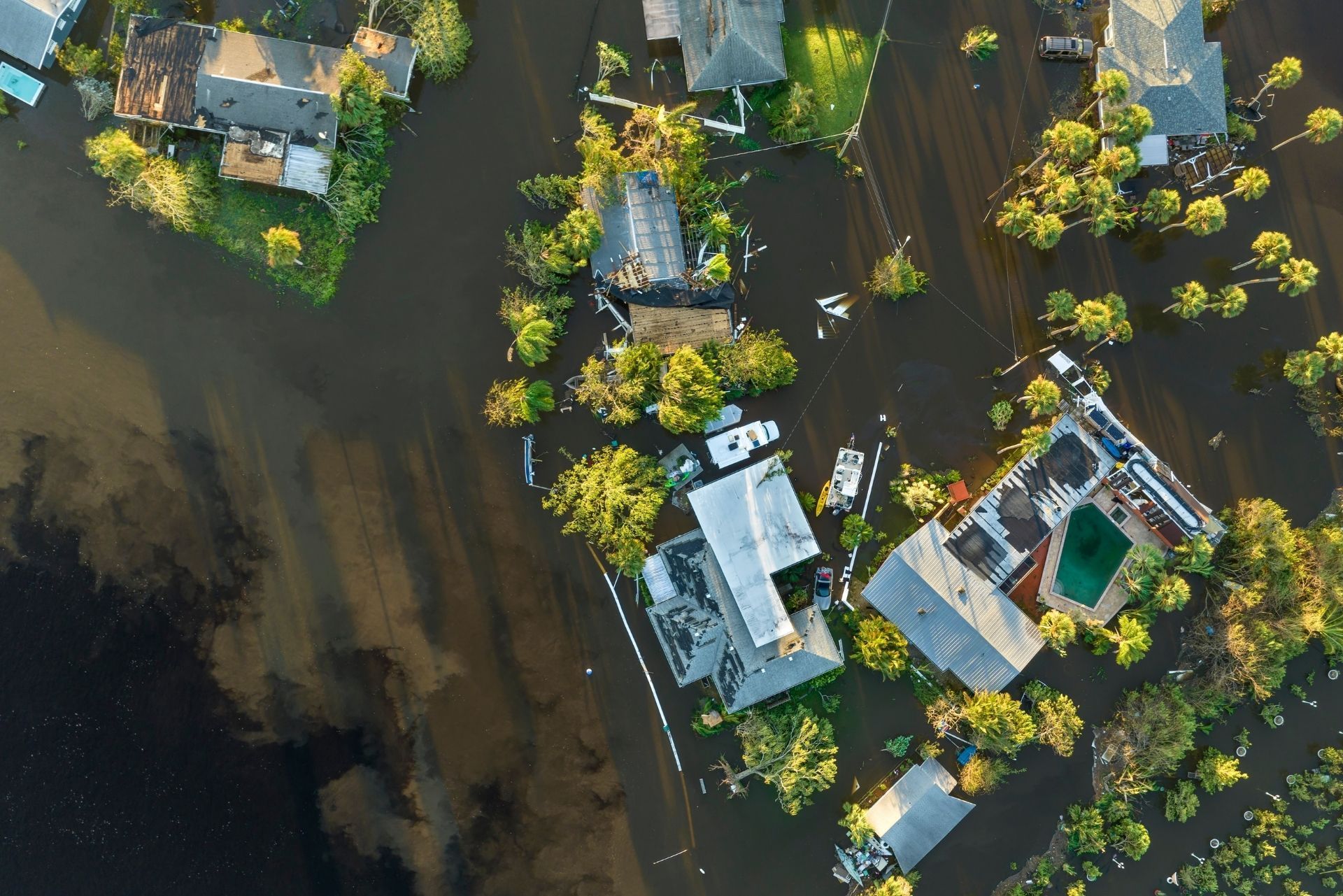
Colorado sits at the intersection of mountain snowpack, unpredictable weather patterns, and increasingly severe storm systems. That combination creates flood risks that catch many homeowners off guard. The 2013 Front Range floods caused an estimated $4 billion in damage, destroying homes in areas many residents never considered flood-prone. More recently, southwestern Colorado flooding in October 2025 damaged about 100 homes, with two completely destroyed, resulting in $30 million in losses.
Here's what surprises most Colorado homeowners: every county and 267 cities in the state have designated flood-prone areas. You don't need to live next to a river to face flood risk. Burn scars from wildfires, rapid snowmelt, and flash flooding from afternoon thunderstorms can send water rushing into neighborhoods that have never flooded before.
So do you need flood insurance in Colorado, and what will it actually cost? The answer depends on your specific property, but the stakes are high enough that every homeowner should understand their options. Annual premiums through the National Flood Insurance Program range from $473 to over $6,500 depending on your location and risk factors. Private insurers sometimes offer better rates or higher coverage limits. The right policy protects your home and finances from a disaster that standard homeowners insurance simply won't cover.
Understanding Flood Risks in Colorado's Unique Landscape
Colorado's flood risks don't follow the patterns you might expect from coastal states or river valleys in the Midwest. The state's geography creates distinct hazards that can turn a routine afternoon thunderstorm into a devastating flash flood within minutes.
Flash Flooding and the Burn Scar Effect
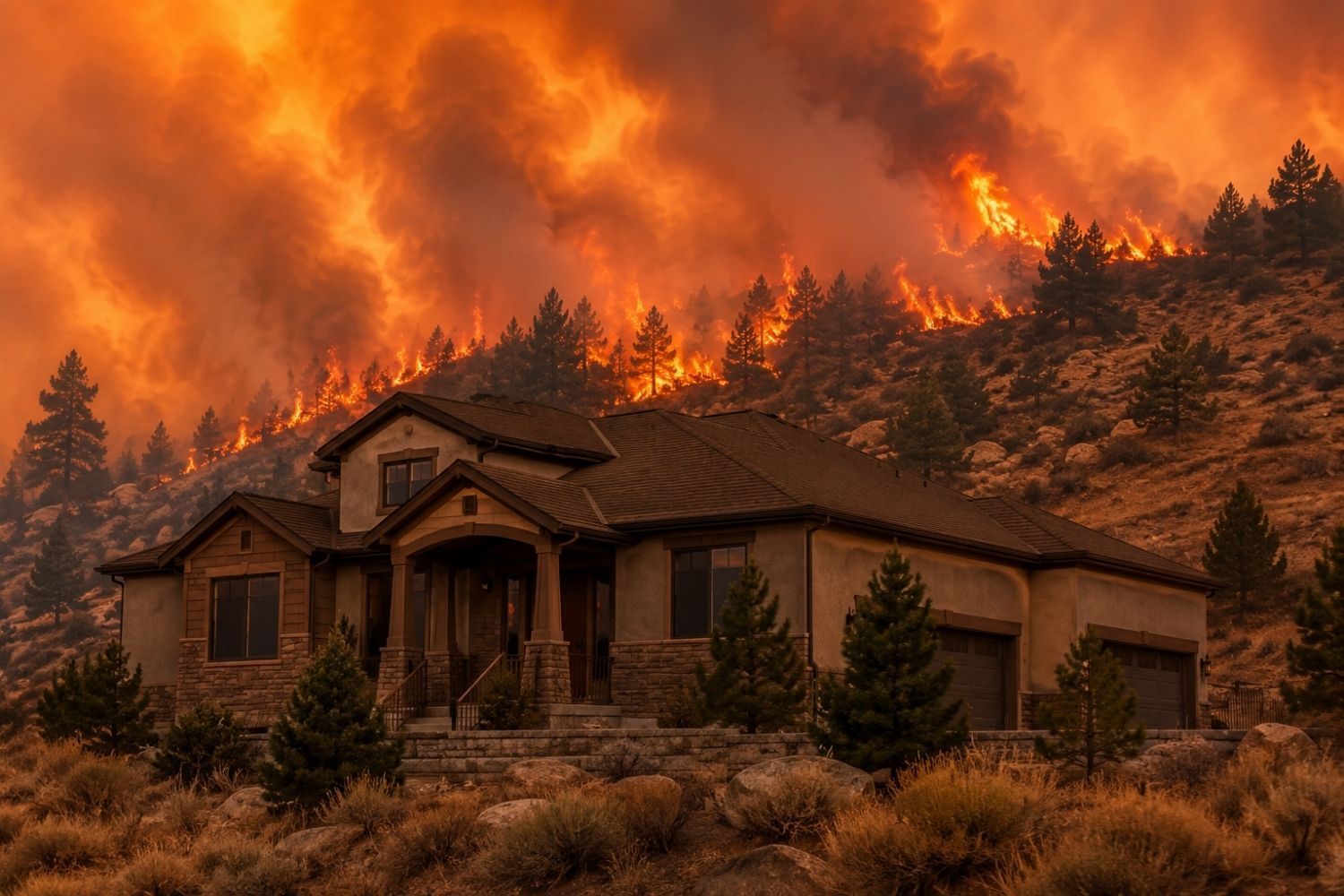
Wildfires have reshaped Colorado's flood landscape dramatically. When fire strips vegetation from hillsides, the soil becomes hydrophobic, meaning it repels water rather than absorbing it. The next significant rainfall event sends water cascading downhill at speeds that would normally be impossible on vegetated slopes.
This burn scar effect can persist for years after a fire. Communities that never worried about flooding suddenly find themselves in high-risk zones. The Marshall Fire burn scar near Boulder continues to create flash flood concerns during summer monsoon season. Homeowners in these areas often face difficult decisions about coverage they never anticipated needing.
Climate projections make this situation more urgent. Climate models suggest a 30% increase in extreme rainfall events for parts of Colorado over the next two decades. More intense storms hitting burn-scarred terrain means flash flood risks will likely increase, not decrease.
Rapid Snowmelt and Spring Runoff Hazards
Colorado's mountain snowpack provides water for millions of people, but it also creates predictable seasonal flood risks. Warm spring temperatures, especially when combined with rain-on-snow events, can overwhelm drainage systems and push rivers beyond their banks.
The timing matters significantly. A gradual warming allows snowmelt to drain safely. A sudden heat wave after a heavy snow year creates conditions for widespread flooding along the Front Range and in mountain valleys. Properties near streams and rivers face the highest risk, but water can travel surprising distances when drainage infrastructure gets overwhelmed.

By: Brian J. Cook
Founder & Managing Partner of The Insurance Loft
Determining if Your Colorado Home Requires Coverage
Flood insurance costs in Colorado vary enormously based on location, property characteristics, and the insurer you choose. Understanding what drives these costs helps you find appropriate coverage at reasonable rates.
| Factor | Lower Premium Impact | Higher Premium Impact |
|---|---|---|
| Flood Zone | X or C zones | A or V zones |
| Elevation | Above base flood level | At or below base flood level |
| Foundation Type | Elevated or crawlspace | Slab or basement |
| Building Age | Newer construction | Pre-FIRM buildings |
| Prior Claims | No flood history | Previous flood claims |
The average cost of flood insurance in Colorado ranges from $473 to $6,537 annually for NFIP policies, with significant variation by county. Mountain communities and areas near major waterways typically see higher premiums than properties on higher ground away from water sources.
The Impact of Risk Rating 2.0 on Colorado Rates
FEMA's Risk Rating 2.0 system, implemented in recent years, fundamentally changed how flood insurance gets priced. Instead of relying primarily on flood zone designations, the new system considers multiple property-specific factors including distance to water, flood frequency, and rebuilding costs.
For some Colorado homeowners, Risk Rating 2.0 brought lower premiums. Properties that were overpriced under the old system based solely on zone designation now pay rates that reflect their actual risk. Other homeowners, particularly those near water sources or in areas with frequent flooding, saw significant premium increases.
The new system phases in increases gradually, capping annual hikes at 18% for most policyholders. If your property falls into a higher-risk category, you can expect premiums to rise over several years until they reach the full actuarial rate.
Structural Elevation and Proximity to Water Sources
Two factors dominate flood insurance pricing: how high your home sits relative to expected flood levels and how close you are to potential water sources.
Elevation certificates document your property's height compared to the base flood elevation in your area. Homes elevated above this level typically pay substantially lower premiums. Some homeowners invest in elevation projects specifically to reduce long-term insurance costs, though this makes sense only for certain property types and flood risk levels.
Proximity to water includes obvious features like rivers and lakes but also considers less obvious factors: drainage channels, detention ponds, and areas where water naturally collects during storms. Properties that appear safe but sit in natural drainage paths often face higher risk than their distance from named waterways would suggest.
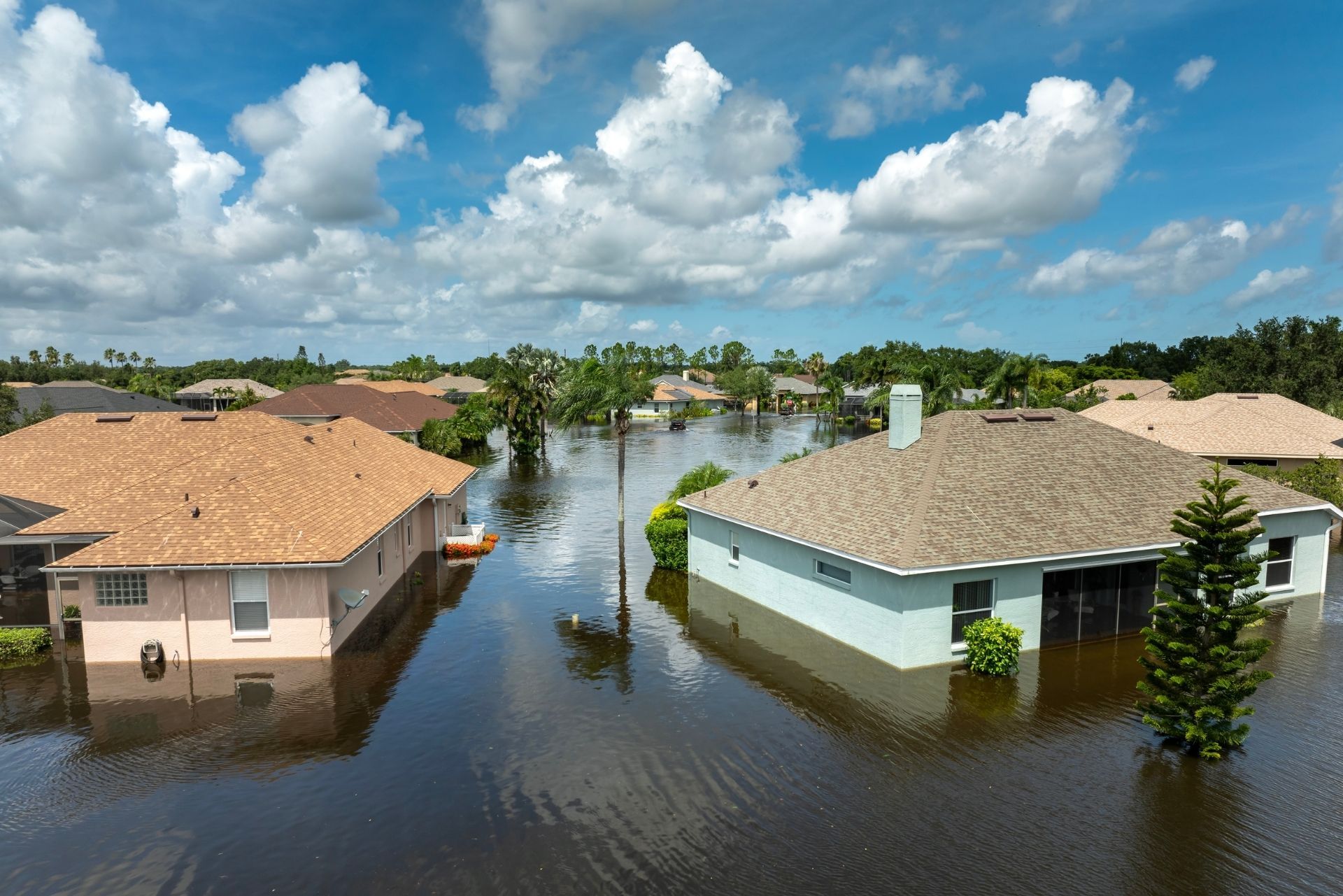
The National Flood Insurance Program has long been the primary source of flood coverage, but private insurers now offer competitive alternatives worth considering.
Coverage Limits and Waiting Periods
NFIP policies cap coverage at $250,000 for residential structures and $100,000 for contents. For homes worth more than these limits, this creates a significant coverage gap. Private insurers often offer higher limits, sometimes reaching $1 million or more for both structure and contents.
NFIP policies also carry a standard 30-day waiting period before coverage takes effect. You can't buy a policy when you see a storm approaching and expect coverage. Private insurers sometimes offer shorter waiting periods, though most still require some delay to prevent adverse selection.
Additional Living Expenses and Excess Coverage
Standard NFIP policies don't cover additional living expenses if flooding displaces you from your home. Private policies often include this coverage, paying for temporary housing, meals, and other costs while your home gets repaired.
Excess flood insurance provides coverage above NFIP limits. This option works well for homeowners who want the stability of an NFIP base policy but need higher coverage amounts. The Insurance Loft works with multiple carriers to help Colorado homeowners find the right combination of base and excess coverage for their situation.
| Coverage Aspect | NFIP | Private Insurance |
|---|---|---|
| Maximum Structure Coverage | $250,000 | Often $1M+ |
| Maximum Contents Coverage | $100,000 | Often $500K+ |
| Waiting Period | 30 days | Varies, often shorter |
| Additional Living Expenses | Not included | Often included |
| Basement Coverage | Limited | Varies by policy |
Steps to Secure the Best Rates for Your Property
Finding affordable flood insurance requires more effort than simply accepting the first quote you receive.
Start by obtaining an elevation certificate if you don't have one. This document, prepared by a licensed surveyor, shows exactly where your home sits relative to flood levels. Properties with favorable elevations often qualify for significantly lower premiums, and the certificate cost typically pays for itself quickly through premium savings.
Compare quotes from both NFIP and private insurers. As an independent agency, The Insurance Loft can shop multiple carriers to find coverage that fits your specific situation. Private insurers sometimes offer better rates for lower-risk properties, while NFIP might be more competitive for higher-risk locations.
Consider your deductible options carefully. Higher deductibles reduce premiums but increase your out-of-pocket costs if you file a claim. For flood insurance, where claims tend to be large, this tradeoff deserves careful thought.
Review your coverage annually. Risk factors change, new insurers enter the market, and your property's characteristics might shift. What was the best option last year might not be optimal today.
Frequently Asked Questions
Do I need flood insurance if I'm not in a flood zone? FEMA designates every property in some flood zone. "Not in a flood zone" usually means you're in a lower-risk zone, not that you face zero risk. About 25% of flood claims come from properties outside high-risk zones.
How quickly can I get flood insurance coverage? NFIP policies have a 30-day waiting period. Some private insurers offer shorter waiting periods, but you generally can't buy coverage right before an expected flood event.
Will my flood insurance cover my basement? NFIP coverage for basements is limited to specific items like furnaces and water heaters. Finished basement spaces typically aren't covered. Private policies vary, so review terms carefully.
Can I get flood insurance if I've flooded before? Yes, though premiums will reflect your flood history. NFIP cannot deny coverage based on prior claims, though rates may be higher.
Does flood insurance cover mudslides?
NFIP covers mudflow, which is river-like flows of liquid mud. Mudslides and landslides, where earth moves as a mass, typically require separate coverage.
Making the Right Coverage Decision
Flood insurance in Colorado isn't optional for many homeowners, and it's worth serious consideration for nearly everyone else. The state's unique combination of mountain terrain, burn scars, and increasingly severe weather creates flood risks that standard homeowners policies simply don't address.
The cost of coverage ranges widely based on your specific situation, but it's almost always less than the cost of rebuilding without insurance. Whether you choose NFIP, private coverage, or a combination of both, the key is understanding your actual risk and securing appropriate protection before you need it.
Ready to find the right flood coverage for your Colorado home? Contact The Insurance Loft to compare options from multiple carriers and find protection that fits your property and budget.
ABOUT THE AUTHOR:
Brian J. Cook
I'm Brian J. Cook, co-founder and Managing Partner of The Insurance Loft, an independent insurance agency headquartered in Greenwood Village, Colorado. With a client-first approach to personal insurance, I help Colorado homeowners, drivers, and families find the right coverage — without the limitations of working with a single-carrier agent.
COVERAGE FOR YOUR LIFE
Personal Insurance Plans That Protect What Matters Most
From your home and car to your family and pets — we cover it all.
GET THE ANSWERS YOU NEED
Common Questions About The Insurance Loft
We believe informed clients make better coverage decisions. Here are the questions we hear most often.
What does it mean to be an independent insurance agency?
An independent insurance agency like The Insurance Loft is not tied to a single insurance company. We are licensed to work with multiple carriers — including Nationwide, Travelers, Progressive, Safeco, Chubb, and others — so we can compare options and find the best policy for your needs. When you work with a captive agent, you only see what that one company offers. When you work with us, you see the full market.
This independence also means we represent you, not the carrier. When a claim arises or your coverage needs to change, your advisor advocates for your interests — not the insurance company's bottom line. That is the core of what makes The Insurance Loft different.
Where is The Insurance Loft located and who do you serve?
The Insurance Loft is headquartered in Greenwood Village, Colorado, in the Denver Tech Center area. We serve individuals and families throughout Colorado — from the Denver Metro and Front Range to Colorado Springs, Boulder, Fort Collins, mountain communities, and beyond. Our office is conveniently located at 5990 Greenwood Plaza Blvd, Ste 270, Greenwood Village, CO 80111.
Whether you are a longtime Colorado resident or just moved to the state, The Insurance Loft can help you find the right personal insurance coverage. Our advisors understand Colorado's specific risks and regulations, and they know which carriers offer the best coverage options for your area. Call us at 800-409-9790 or schedule a call online to get started.
What types of insurance does The Insurance Loft offer?
We offer a full range of personal and commercial insurance products. On the personal side, we cover home, auto, renters, life, motorcycle, umbrella, and pet insurance. For businesses, we provide general liability, commercial property, workers compensation, professional liability, business auto, and specialty coverage for industries like construction, food and beverage, brewery, and cannabis operations.
We also offer surety bonds for businesses that require them. Our goal is to be your single resource for every insurance need — personal or commercial — throughout your life and the life of your business. If you are unsure what coverage you need, schedule a call and an advisor will walk you through your options at no cost.
What carriers does The Insurance Loft work with?
The Insurance Loft partners with more than 19 trusted insurance carriers to give clients access to a wide range of options. Our featured carrier partners include Nationwide, Travelers, Progressive, Safeco Insurance, Chubb, and Hagerty Insurance for collector vehicles. Each carrier brings different strengths, pricing structures, and coverage specialties, which is why having access to multiple companies matters.
Because we work with a diverse group of carriers, we are not pressured to place policies with any single company. Your advisor reviews your situation, identifies which carriers best match your needs, and presents your options clearly. This process consistently delivers better coverage at competitive prices compared to going directly to a single insurance company.
How does The Insurance Loft handle the claims process ?
When you need to file a claim, your dedicated Insurance Loft advisor is your first call. We provide claims support through our Member Services team and guide you through the process with your carrier. You will not be left to figure it out alone. Our advisors help you understand what your policy covers, what documentation is needed, and what to expect from the timeline.
You can also access claims support directly through our Member Services portal at theinsuranceloft.com. Our goal is to make the claims process as clear and stress-free as possible so you can focus on recovery. For urgent claims assistance, contact our Customer Care team at 800-409-9790 during business hours, Monday through Friday, 9 AM to 6 PM.
Why should I review my insurance coverage every year?
Your life changes constantly — and your insurance should change with it. A new home, a new vehicle, a renovation, a new employee, a business expansion, or a change in your income can all affect how much coverage you need. Reviewing your policy annually helps make sure you are not paying for coverage you no longer need, and that you are not underinsured in areas where your exposure has grown.
The Insurance Loft advisors proactively reach out at renewal time to review your current policies and flag anything that needs attention. Major life events like buying a home, starting a business, getting married, or having children are all good reasons to schedule an earlier review. Contact your advisor or call 800-409-9790 to set up a coverage review at any time.
INSURANCE KNOWLEDGE, MADE SIMPLE
Learn From Our Resource Center
Practical answers to real insurance questions — written by the advisors who help clients every day.


CONTACT US
Phone Number: 1-800-409-9790